In today’s hyper-competitive digital world, generating quality leads is the lifeblood of any successful business. Enter leadsonline—a game-changing approach that’s reshaping how companies attract, convert, and retain customers. With the right strategies, leadsonline isn’t just a tool; it’s your ultimate growth engine.
What Is leadsonline and Why It Matters

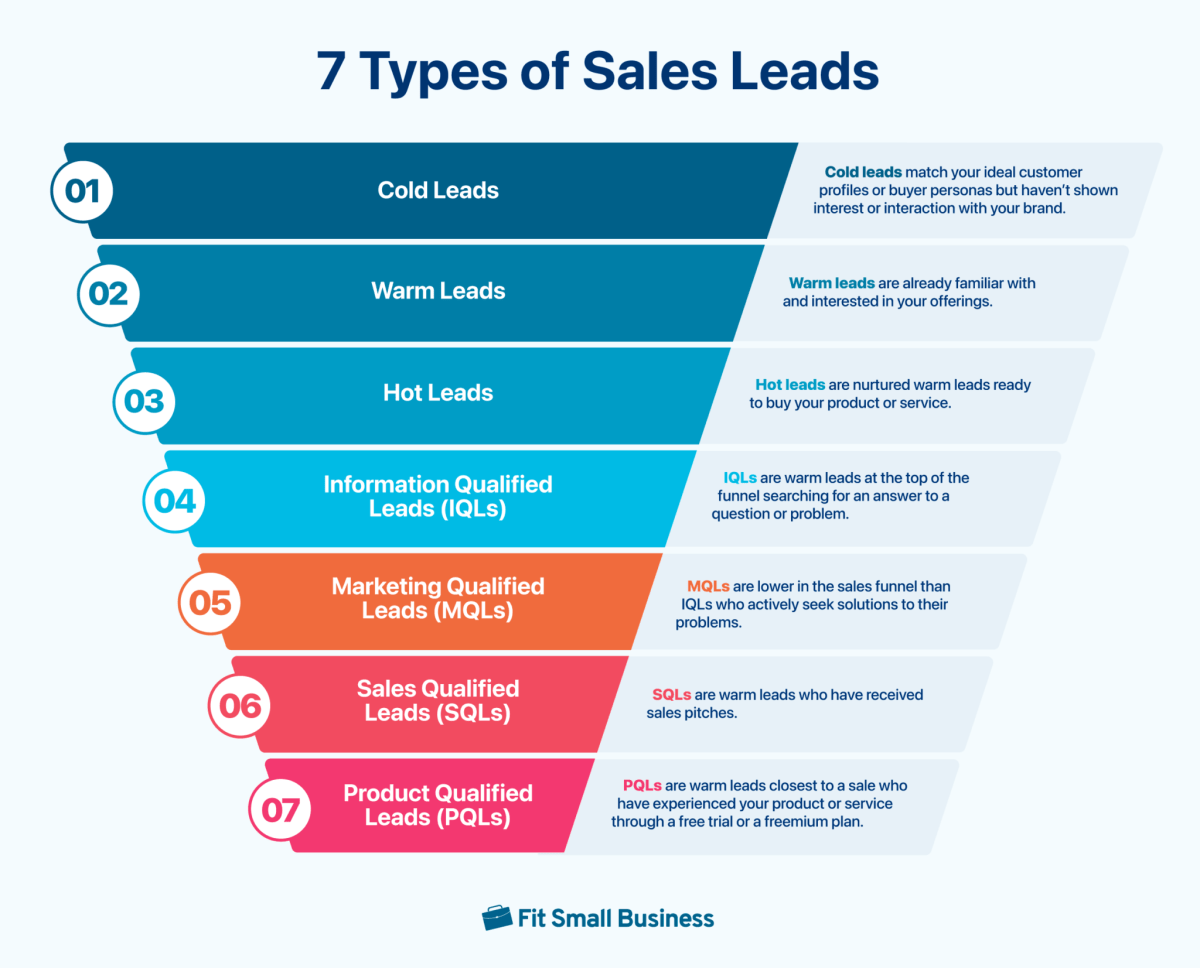
The term leadsonline refers to the digital ecosystem where businesses identify, capture, and nurture potential customers through online channels. Unlike traditional lead generation, which relies heavily on cold calling or print advertising, leadsonline leverages data, automation, and behavioral insights to deliver higher conversion rates with lower acquisition costs.




Defining the leadsonline Concept
At its core, leadsonline is about creating a seamless digital journey for prospects—from their first interaction with your brand to becoming paying customers. This process typically involves content marketing, search engine optimization (SEO), pay-per-click (PPC) advertising, social media engagement, and email nurturing—all orchestrated to generate measurable, high-intent leads.
- Leadsonline operates 24/7, unlike traditional sales teams.
- It uses real-time analytics to optimize performance.
- It integrates with CRM systems for efficient follow-up.
“The future of sales isn’t in cold outreach—it’s in warm, data-driven engagement. That’s what leadsonline delivers.” — Marketing Week, 2023
How leadsonline Differs From Traditional Lead Generation
Traditional lead generation often involves manual processes like trade show sign-ups, direct mail, or telemarketing. While these methods still have value, they lack scalability and precision. In contrast, leadsonline uses targeted digital campaigns to reach specific demographics based on behavior, intent, and online activity.
For example, while a traditional campaign might send flyers to a broad geographic area, a leadsonline strategy could use Facebook Ads to target users who recently searched for “best CRM software” or visited competitor websites. This level of targeting dramatically increases relevance and conversion potential.
The Evolution of leadsonline: From Clicks to Conversions
Lead generation online has evolved significantly over the past two decades. What started as simple contact forms on websites has transformed into a sophisticated, AI-powered ecosystem. Understanding this evolution helps businesses leverage leadsonline more effectively.
Early Days: The Birth of Digital Leads
In the late 1990s and early 2000s, businesses began experimenting with basic online forms. These were often linked to email addresses, and leads were manually followed up by sales reps. Tools like basic web analytics and rudimentary email marketing platforms laid the foundation for what would become modern leadsonline systems.
One of the earliest examples was HubSpot, which launched in 2006 and pioneered the concept of inbound marketing—drawing customers in through valuable content rather than interrupting them with ads.
The Rise of Automation and AI in leadsonline
By the 2010s, automation tools like Marketo, Pardot, and later ActiveCampaign enabled businesses to nurture leads without constant human intervention. These platforms could send personalized emails, score leads based on engagement, and even predict which prospects were most likely to convert.
Today, AI-driven platforms like Salesforce Einstein analyze vast datasets to recommend optimal follow-up times, content preferences, and even pricing strategies tailored to individual leads. This level of intelligence makes leadsonline not just efficient, but predictive.
Key Components of a Successful leadsonline Strategy
A robust leadsonline strategy isn’t built overnight. It requires a combination of technology, content, and data analysis. Below are the essential components that power high-performing lead generation systems.
High-Converting Landing Pages
Your landing page is often the first real interaction a prospect has with your brand. A well-designed landing page can increase conversion rates by up to 300%. Key elements include:
- Clear, benefit-driven headlines (e.g., “Get Your Free SEO Audit in 60 Seconds”)
- Minimal form fields (name and email only, when possible)
- Strong call-to-action (CTA) buttons with action-oriented text
- Trust signals like testimonials, security badges, or client logos
Tools like Unbounce and Leadpages allow marketers to create and A/B test landing pages without coding, making it easier than ever to optimize for leadsonline success.
Content Marketing That Attracts Leads
Content is the fuel of leadsonline. Whether it’s blog posts, ebooks, webinars, or videos, valuable content draws in prospects and positions your brand as an authority. The key is to offer something of value in exchange for contact information—this is known as a lead magnet.
Examples of effective lead magnets include:
- Free templates (e.g., “Download Our Social Media Calendar Template”)
- Industry reports (e.g., “2024 State of Remote Work Survey”)
- Mini-courses (e.g., “5-Day Email Marketing Bootcamp”)
According to Content Marketing Institute, businesses that use lead magnets generate 5x more leads than those that don’t.
Lead Capture and Nurturing Funnels
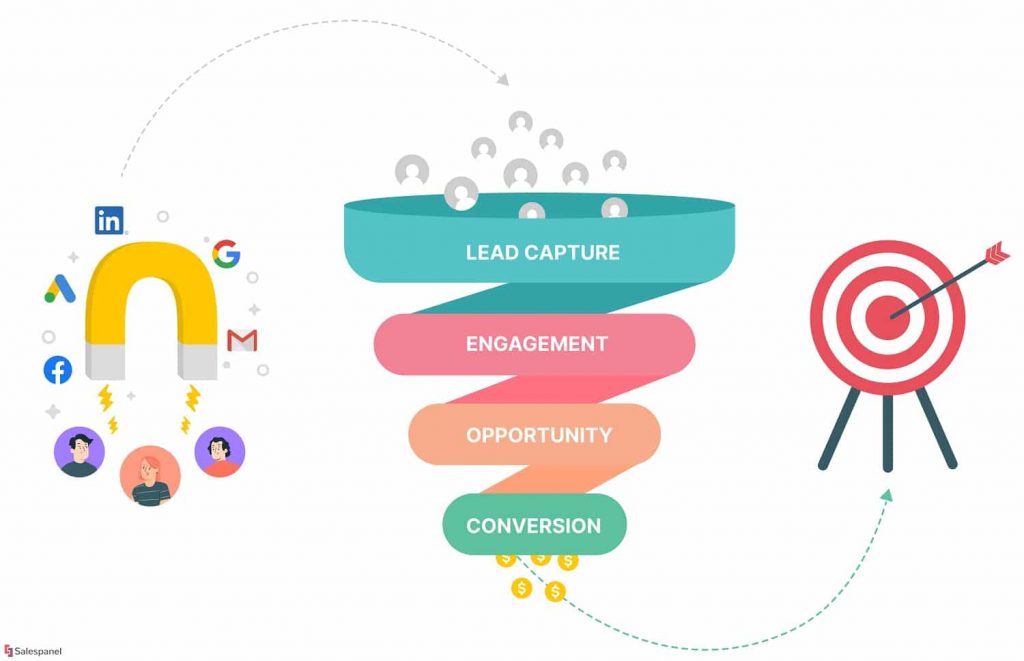
A lead capture funnel guides prospects from awareness to action. A typical leadsonline funnel includes:
- Top of Funnel (TOFU): Attract with free content (blogs, videos)
- Middle of Funnel (MOFU): Engage with lead magnets (ebooks, webinars)
- Bottom of Funnel (BOFU): Convert with demos, trials, or consultations
Once captured, leads should enter a nurturing sequence. Email drip campaigns, retargeting ads, and personalized recommendations keep your brand top-of-mind. Platforms like Mailchimp and Klaviyo excel at automating these workflows.
Top Tools and Platforms for Maximizing leadsonline Results
No leadsonline strategy is complete without the right tech stack. The best tools integrate seamlessly, provide real-time insights, and scale with your business.
CRM Systems That Power leadsonline
Customer Relationship Management (CRM) systems are the backbone of any leadsonline operation. They store lead data, track interactions, and help sales teams prioritize follow-ups. Popular options include:
- Salesforce: Industry leader with robust customization and AI features
- HubSpot CRM: Free tier available, ideal for startups and SMBs
- Zoho CRM: Affordable and feature-rich for growing businesses
Integrating your CRM with lead capture forms ensures no lead falls through the cracks. For example, when someone downloads a guide from your site, their info is automatically added to your CRM and tagged for follow-up.
Email Marketing Platforms for leadsonline
Email remains one of the highest ROI channels for leadsonline. Platforms like ConvertKit, Brevo (formerly Sendinblue), and ActiveCampaign allow you to segment audiences, personalize messages, and automate follow-ups based on behavior.
Key features to look for:
- Behavior-based triggers (e.g., send a discount after cart abandonment)
- A/B testing for subject lines and CTAs
- Integration with analytics and CRM tools
According to Campaign Monitor, segmented email campaigns generate 30% higher open rates and 50% more clicks than generic blasts.
Analytics and Tracking Tools
You can’t improve what you can’t measure. Google Analytics, Hotjar, and Mixpanel provide deep insights into user behavior, helping you refine your leadsonline strategy.
Key metrics to track:
- Conversion rate (visitors to leads)
- Cost per lead (CPL)
- Lead-to-customer rate
- Bounce rate on landing pages
For example, if your bounce rate is above 70%, your landing page may not be relevant or engaging enough. Heatmaps from Hotjar can show where users scroll, click, or drop off—enabling data-driven optimizations.
Common Mistakes That Kill leadsonline Campaigns
Even the best tools can’t save a flawed strategy. Many businesses fail at leadsonline not because of technology, but because of avoidable mistakes.
Poor Targeting and Audience Misalignment
One of the most common pitfalls is targeting too broadly. Sending generic messages to a wide audience results in low engagement and poor-quality leads. Instead, use buyer personas to define your ideal customer.
Ask questions like:
- What industry are they in?
- What challenges do they face?
- What keywords do they search for?
Tools like Google Keyword Planner and SEMrush help identify high-intent search terms that attract qualified leads to your leadsonline funnel.
Overcomplicating the Lead Capture Process
Every extra field on a form reduces conversion rates. Research shows that reducing form fields from four to one can increase conversions by up to 50%. If you ask for too much too soon, prospects will abandon the process.
Best practice: Start with just an email address. You can collect more information later through progressive profiling—where each interaction reveals a little more about the lead.
Neglecting Lead Nurturing
Only 2% of leads convert on first contact. The rest need nurturing. Yet, many businesses capture a lead and never follow up. This is a wasted opportunity.
A well-structured email nurture sequence can increase conversions by 50% or more. For example:
- Day 1: Welcome email + deliver lead magnet
- Day 3: Share a customer success story
- Day 7: Offer a free consultation or demo
Automation ensures consistency and scalability in your leadsonline nurturing efforts.
Advanced leadsonline Tactics for Explosive Growth
Once you’ve mastered the basics, it’s time to level up. These advanced strategies can dramatically boost your leadsonline performance.
Leveraging Retargeting Ads
Retargeting (or remarketing) ads show your brand to users who’ve already visited your site but didn’t convert. Platforms like Google Ads and Facebook Ads allow you to create custom audiences based on behavior.
For example, you can target users who:
- Visited your pricing page but didn’t sign up
- Downloaded a guide but didn’t attend a webinar
- Abandoned their cart during checkout
According to WordStream, retargeted visitors are 70% more likely to convert than first-time visitors.
Using Chatbots for Instant Engagement
Chatbots provide 24/7 engagement, answering common questions and qualifying leads in real time. Tools like Drift, Intercom, and ManyChat integrate with websites and social media to capture leads even when your team is offline.
Example chatbot flow:
- User visits site → Chatbot pops up: “Need help choosing the right plan?”
- User clicks → Bot asks qualifying questions
- Bot schedules a call or sends a personalized offer
Studies show that chatbots can increase lead capture by up to 40% by reducing response time from hours to seconds.
Building Strategic Partnerships for leadsonline
Co-marketing with complementary brands can exponentially expand your reach. For example, a web design agency might partner with a copywriting service to offer a joint “Website Revamp Kit” in exchange for leads.
Benefits include:
- Access to a new, pre-qualified audience
- Shared costs and resources
- Increased credibility through association
Just ensure both parties track leads properly and agree on follow-up protocols to avoid conflicts.
The Future of leadsonline: Trends to Watch
The leadsonline landscape is constantly evolving. Staying ahead of trends ensures your strategy remains effective and competitive.
AI-Powered Personalization at Scale
Artificial intelligence is making hyper-personalization possible. AI can analyze a lead’s browsing history, past purchases, and even tone of communication to deliver tailored content and offers.
For example, an AI system might detect that a lead spends time on your pricing page but hesitates. It could then trigger a personalized email with a limited-time discount or a case study from a similar customer.
Platforms like Optimizely and Dynamic Yield are leading the charge in AI-driven personalization for leadsonline.
Voice Search and Conversational Marketing
With the rise of smart speakers and voice assistants, more users are searching via voice. This changes keyword strategy—people speak more conversationally than they type.
Optimizing for voice search means focusing on long-tail, question-based keywords like “How do I generate more leads online?” rather than short phrases like “lead generation tools.”
Conversational marketing—using chat, voice, and messaging apps to engage leads—is also growing. It feels more human and builds trust faster than static forms.
Privacy-First leadsonline Strategies
With increasing regulations like GDPR and CCPA, and the deprecation of third-party cookies, businesses must adapt. The future of leadsonline lies in first-party data—information collected directly from users with consent.
Strategies include:
- Offering value in exchange for data (e.g., personalized reports)
- Building email lists through opt-in content
- Using zero-party data (information users willingly share)
Transparency and trust will be key differentiators in the next era of leadsonline.
What is leadsonline?
leadsonline refers to the digital strategies and tools used to generate, capture, and nurture potential customers through online channels. It includes SEO, content marketing, email campaigns, and automation to convert website visitors into qualified leads.
How can I start a leadsonline campaign?
To start a leadsonline campaign, define your target audience, create valuable lead magnets, build high-converting landing pages, set up email automation, and use analytics to track performance. Begin with tools like HubSpot or Mailchimp for an integrated approach.
What are the best tools for leadsonline?
Top tools include HubSpot for CRM and marketing automation, Google Analytics for tracking, Unbounce for landing pages, and ActiveCampaign for email nurturing. Choose platforms that integrate well and scale with your needs.
Why is lead nurturing important in leadsonline?
Most leads aren’t ready to buy immediately. Lead nurturing builds trust over time through consistent, valuable communication, increasing the chances of conversion by up to 50%.
Is leadsonline effective for small businesses?
Absolutely. leadsonline levels the playing field by allowing small businesses to compete with larger ones through targeted, cost-effective digital campaigns. With the right strategy, even startups can generate high-quality leads consistently.
leadsonline is no longer optional—it’s essential. From understanding its foundational principles to leveraging cutting-edge AI tools, businesses that master leadsonline gain a sustainable competitive advantage. By focusing on high-converting content, smart automation, and ethical data practices, you can build a lead generation engine that drives growth year after year. The future belongs to those who embrace digital transformation, and leadsonline is at the heart of it.
Further Reading: