Ever wondered what ‘leads meaning’ really is? It’s more than just potential customers—it’s the lifeblood of sales and marketing. Let’s break it down in simple, powerful terms.
Leads Meaning: The Core Definition

At its most basic, the term leads meaning refers to individuals or organizations that have shown interest in your product or service. They are not yet customers, but they’ve taken a step—like filling out a form, downloading a guide, or subscribing to a newsletter—that signals potential.




What Exactly Is a Lead?
A lead is any contact who has engaged with your brand in a way that opens the door for further communication. This could be as simple as liking your social media post or as significant as requesting a demo.
- Leads are not guaranteed sales.
- They represent opportunity, not commitment.
- They can come from various channels: website, events, ads, referrals.
“A lead is the first handshake in a long-term business relationship.” — MarketingProfs
Why Understanding Leads Meaning Matters
Without grasping the true leads meaning, businesses risk misallocating resources. Knowing who qualifies as a lead helps teams focus efforts where they matter most—converting interest into revenue.
- Improves targeting accuracy.
- Enhances sales and marketing alignment.
- Boosts conversion rate optimization.
For deeper insight, check out HubSpot’s guide on leads, a trusted resource in inbound marketing.
Types of Leads: Breaking Down the Categories
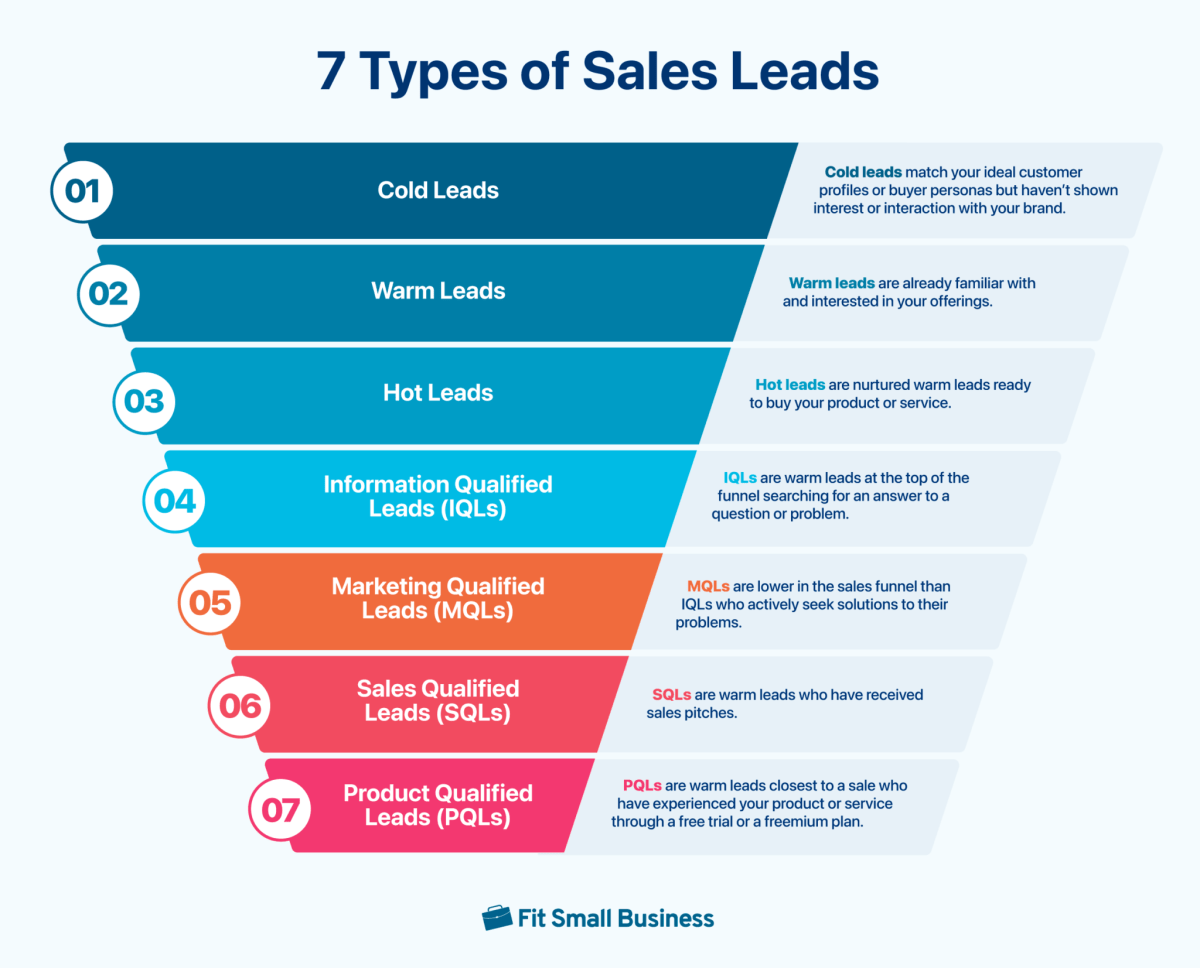
Not all leads are created equal. The leads meaning evolves depending on the stage of engagement. Understanding these types helps businesses prioritize and nurture effectively.
Marketing Qualified Leads (MQLs)
MQLs are contacts identified by the marketing team as more likely to become customers based on their behavior—such as downloading an ebook, attending a webinar, or spending significant time on pricing pages.
- Scored using lead scoring models.
- Not yet ready for direct sales contact.
- Require nurturing through email campaigns or content.
Learn more about MQLs at MarketingProfs.
Sales Qualified Leads (SQLs)
SQLs are leads that have been vetted by the sales team and deemed ready for direct outreach. They’ve shown buying intent—like requesting a quote or scheduling a call.
- Have budget, authority, need, and timeline (BANT).
- Are closer to making a purchase decision.
- Transition from marketing to sales funnel.
“An SQL is a warm conversation waiting to happen.” — Salesforce Blog
Product Qualified Leads (PQLs)
PQLs emerge primarily in SaaS and freemium models. These users have experienced the product firsthand—through a free trial or limited feature access—and shown behaviors indicating readiness to upgrade.
- Tracked via in-app analytics.
- High conversion potential due to product experience.
- Common in companies like Slack, Zoom, or Dropbox.
Explore how PQLs drive growth at Paddle’s resource center.
How Leads Are Generated: Key Strategies
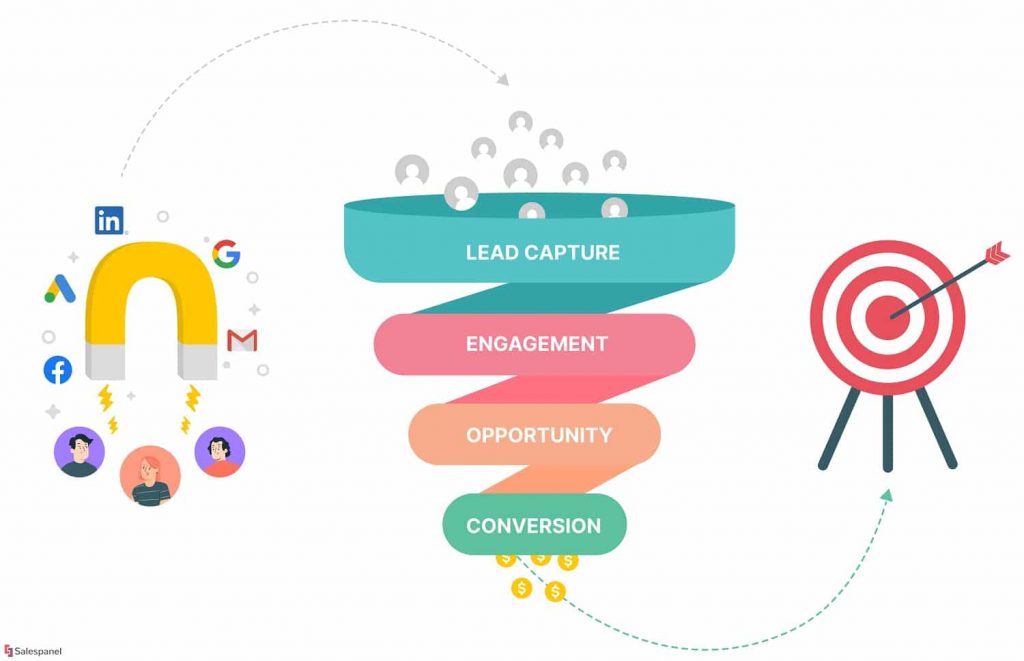
Understanding the leads meaning is only half the battle. The next step is knowing how to generate them effectively. Businesses use a mix of inbound and outbound strategies to attract potential customers.
Inbound Lead Generation
Inbound methods attract leads organically by offering value. This approach builds trust and positions your brand as a helpful authority.
- Content marketing (blogs, ebooks, webinars).
- Search engine optimization (SEO).
- Social media engagement.
- Lead magnets like free tools or templates.
For example, a well-optimized blog post about “best CRM tools” can attract thousands of visitors, many of whom convert into leads by downloading a related buyer’s guide.
Outbound Lead Generation
Outbound strategies involve reaching out directly to potential customers, even if they haven’t shown prior interest.
- Cold emailing and calling.
- LinkedIn outreach.
- Display advertising.
- Trade shows and events.
While often seen as more aggressive, outbound can be highly effective when targeted correctly. Tools like LinkedIn Sales Navigator help sales teams identify and connect with high-potential prospects.
“Inbound attracts, outbound accelerates.” — Brian Halligan, HubSpot CEO
Lead Scoring: Prioritizing the Right Prospects
With hundreds or thousands of leads flowing in, how do you know which ones to focus on? That’s where lead scoring comes in—a critical part of understanding the full leads meaning.
What Is Lead Scoring?
Lead scoring is a methodology used to rank prospects against a scale that represents their perceived value. Points are assigned based on demographic and behavioral data.
- Demographics: job title, company size, industry.
- Behavior: website visits, email opens, content downloads.
- Negative scores for inactivity or irrelevant roles.
For instance, a CTO downloading a technical whitepaper might score higher than a student downloading the same document.
Benefits of Lead Scoring
Implementing a lead scoring system transforms how teams handle the leads meaning in practice.
- Improves sales efficiency by focusing on high-value leads.
- Reduces time wasted on unqualified prospects.
- Aligns marketing and sales on what constitutes a “good” lead.
- Enables automation in CRM workflows.
Companies using lead scoring see up to 77% higher lead generation ROI (Source: MarketingCharts).
Lead Nurturing: Turning Interest Into Action
Most leads aren’t ready to buy immediately. The leads meaning includes the idea that nurturing is essential to guide them through the buyer’s journey.
What Is Lead Nurturing?
Lead nurturing is the process of building relationships with prospects at every stage of the sales funnel. It involves delivering relevant content and personalized communication to move them closer to a purchase.
- Email drip campaigns.
- Retargeting ads.
- Personalized product recommendations.
- Follow-up calls or messages.
For example, a lead who downloaded a beginner’s guide might later receive an email about advanced strategies, followed by a demo offer.
Best Practices for Effective Nurturing
To maximize the value of each lead, follow these proven strategies:
- Segment your audience based on behavior and profile.
- Use marketing automation tools like Mailchimp or ActiveCampaign.
- Time your messages strategically (e.g., after a website visit).
- Provide value at every touchpoint—don’t just sell.
“People don’t buy products; they buy better versions of themselves.” — Seth Godin
This quote underscores why nurturing must focus on transformation, not just transactions.
Common Lead Management Mistakes to Avoid
Even with a solid grasp of leads meaning, many organizations fail to convert leads due to avoidable errors. Recognizing these pitfalls is crucial for long-term success.
Ignoring Lead Quality for Quantity
Chasing high volume without assessing quality leads to wasted effort. A thousand unqualified leads are less valuable than ten well-matched prospects.
- Focus on relevance over numbers.
- Define clear lead qualification criteria.
- Use data to refine targeting.
As Salesforce notes, quality leads convert 5x faster than unqualified ones.
leads meaning – Leads meaning menjadi aspek penting yang dibahas di sini.
Poor Follow-Up Timing
Timing is everything. Research shows that leads contacted within 5 minutes are 21x more likely to convert.
- Automate initial responses.
- Use chatbots for instant engagement.
- Set up alerts for high-intent actions.
Delayed follow-up often means losing the lead to a competitor.
Lack of Sales and Marketing Alignment
When sales and marketing teams don’t agree on what a lead is, friction occurs. One team may pass leads the other deems unqualified.
- Establish a Service Level Agreement (SLA) between teams.
- Hold regular alignment meetings.
- Use shared CRM platforms for transparency.
According to CSO Online, aligned teams achieve 36% higher customer retention and 38% higher sales win rates.
Measuring Lead Success: Key Metrics to Track
Understanding the leads meaning isn’t complete without knowing how to measure performance. Tracking the right metrics ensures continuous improvement.
Conversion Rate
This measures the percentage of leads that become customers. A high conversion rate indicates effective lead qualification and nurturing.
- Formula: (Number of Customers / Number of Leads) x 100.
- Benchmark varies by industry (e.g., 5–15% is common).
- Improve by refining targeting and messaging.
Cost Per Lead (CPL)
CPL calculates how much you spend to acquire one lead. It helps evaluate the efficiency of marketing campaigns.
- Formula: Total Campaign Spend / Number of Leads Generated.
- Lower CPL = better ROI.
- Compare CPL across channels to optimize budget.
For example, SEO might have a lower CPL than paid ads over time.
Lead-to-Customer Ratio
This shows how many leads it takes to close one sale. A lower ratio means your lead quality and process are strong.
- Track by source, campaign, or sales rep.
- Use to identify top-performing channels.
- Set goals for improvement (e.g., reduce from 10:1 to 7:1).
“What gets measured gets managed.” — Peter Drucker
This principle applies perfectly to lead management.
Future Trends in Lead Generation and Management
The leads meaning is evolving with technology and consumer behavior. Staying ahead requires awareness of emerging trends.
AI-Powered Lead Qualification
Artificial intelligence is transforming how leads are identified and scored. AI tools analyze vast datasets to predict which leads are most likely to convert.
- Tools like Gong and Chorus analyze sales calls for intent signals.
- AI chatbots qualify leads in real-time.
- Predictive scoring replaces manual rules.
According to Gartner, by 2025, 60% of B2B companies will use AI for lead scoring.
Privacy-First Lead Collection
With increasing data regulations (GDPR, CCPA), businesses must collect leads ethically and transparently.
- Explicit consent is mandatory.
- Zero-party data (data willingly shared) is rising.
- Focus on value exchange: give something to get something.
For example, offering a free consultation in exchange for contact details builds trust.
Hyper-Personalization
Generic messaging no longer works. Modern leads expect personalized experiences based on their behavior and needs.
- Dynamic email content.
- Custom landing pages.
- Behavior-triggered messages.
Personalization can boost conversion rates by up to 200% (Source: Campaign Monitor).
What is the basic leads meaning?
The basic leads meaning refers to individuals or organizations that have shown interest in a product or service and are potential customers. They are not yet buyers but have taken an action that allows a business to engage with them further.
What’s the difference between MQL and SQL?
A Marketing Qualified Lead (MQL) is someone the marketing team believes is more likely to become a customer based on engagement. A Sales Qualified Lead (SQL) is an MQL who has been reviewed and accepted by the sales team as ready for direct sales outreach.
How can I generate more high-quality leads?
Focus on creating valuable content, optimizing your website for conversions, using lead scoring, and aligning sales and marketing. Leverage tools like SEO, social media, email marketing, and paid ads with precise targeting.
Why is lead nurturing important?
Lead nurturing builds trust and guides prospects through the buyer’s journey. Most leads aren’t ready to buy immediately—consistent, relevant communication increases the chances of conversion over time.
What metrics should I track for lead performance?
Key metrics include conversion rate, cost per lead (CPL), lead-to-customer ratio, lead response time, and lead quality score. These help assess the effectiveness of your lead generation and management strategies.
Understanding the true leads meaning goes far beyond a simple definition. It’s about recognizing potential, nurturing relationships, and strategically guiding prospects toward becoming loyal customers. From identifying different types of leads to mastering lead scoring and avoiding common mistakes, every step impacts your bottom line. As technology evolves, so too will the ways we generate and manage leads—making adaptability and data-driven decisions more important than ever. By focusing on quality, timing, and alignment, businesses can turn the concept of ‘leads’ into real, measurable success.
leads meaning – Leads meaning menjadi aspek penting yang dibahas di sini.
Further Reading: