In the fast-paced world of digital marketing, one term is quietly revolutionizing how businesses convert prospects: leads density. It’s not just about generating more leads—it’s about maximizing the quality and concentration of high-intent prospects in your funnel. Let’s dive into what makes leads density a game-changer.
What Is Leads Density and Why It Matters

Leads density refers to the concentration of qualified, high-intent leads within a given marketing or sales funnel. Unlike traditional lead generation, which focuses on volume, leads density emphasizes quality, relevance, and conversion readiness. This metric helps businesses understand how efficiently their audience is being filtered into actionable opportunities.
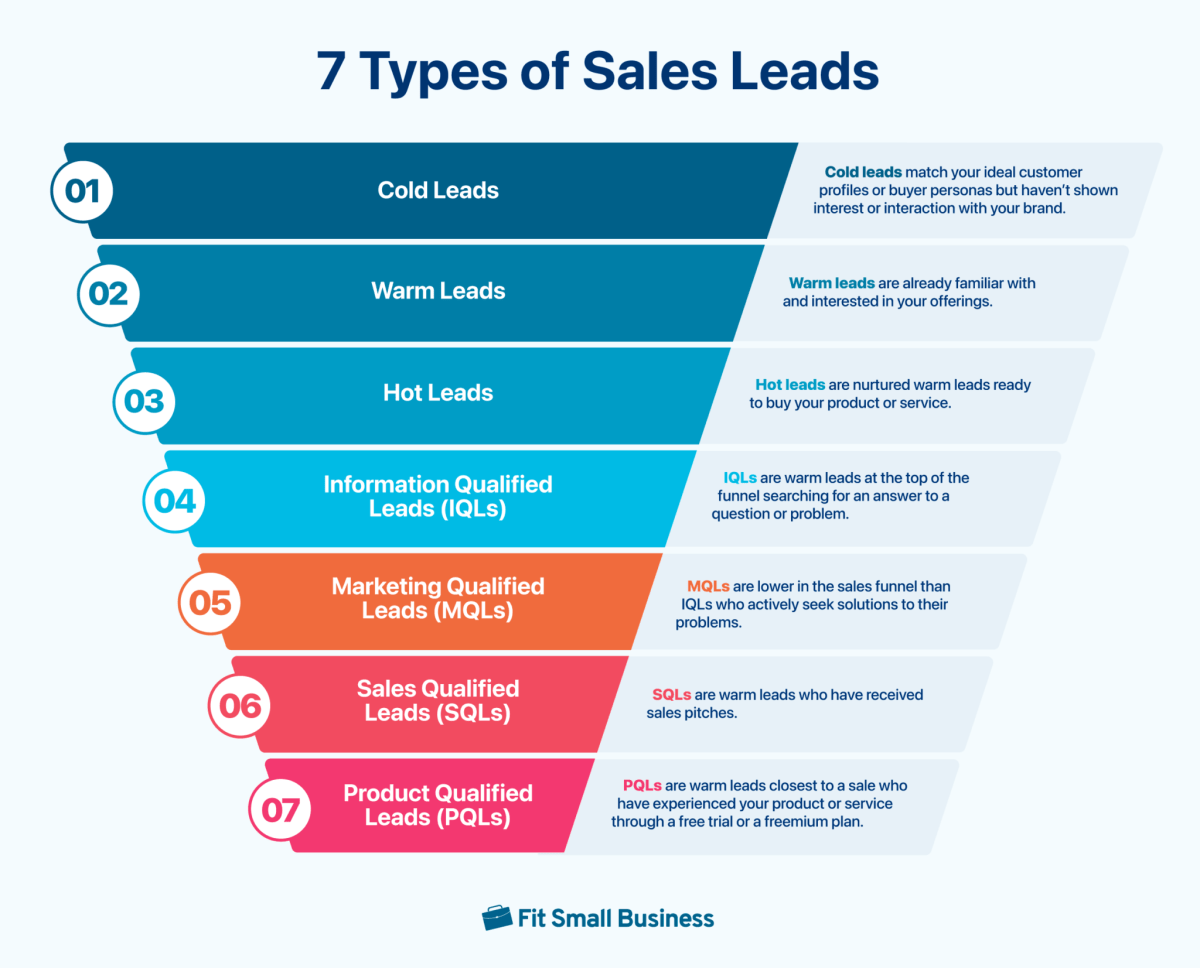


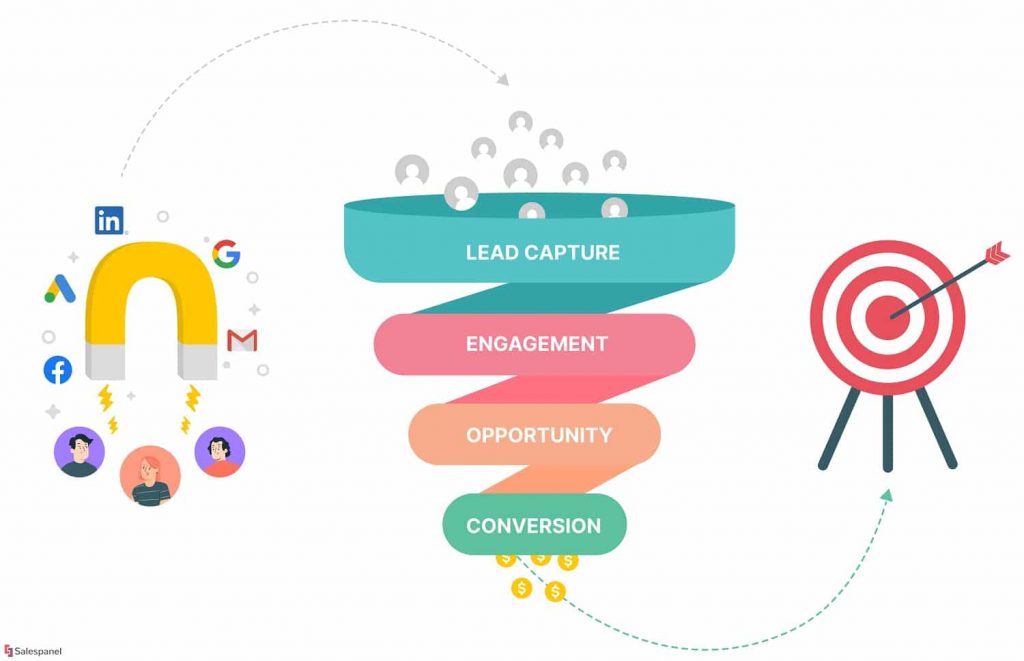


Defining Leads Density in Modern Marketing
Leads density isn’t just a buzzword—it’s a strategic KPI that measures how many of your leads are actually worth pursuing. According to HubSpot, only about 27% of leads are sales-ready. That means 73% are either unqualified or not yet in buying mode. Leads density aims to increase that 27% by refining targeting, messaging, and lead nurturing.
- It measures the ratio of qualified leads to total leads generated.
- High leads density means fewer wasted resources on cold prospects.
- It’s a key indicator of marketing alignment with sales goals.
“Leads density is the difference between a bloated CRM full of ghosts and a lean pipeline of buyers ready to convert.” — Marketing Executive, Salesforce
How Leads Density Differs from Lead Volume
Many companies celebrate high lead volume, but without context, it’s a vanity metric. Imagine generating 10,000 leads per month but converting only 1%. That’s 100 customers. Now, imagine generating 2,000 leads with a 10% conversion rate—200 customers, with less effort and cost.
- Lead volume = quantity; leads density = quality.
- High volume with low density leads to sales team burnout.
- Density-focused strategies improve ROI on ad spend and content creation.
For deeper insights, check out Neil Patel’s guide on lead generation, which highlights the importance of targeting over volume.
The Science Behind High Leads Density
Creating high leads density isn’t guesswork—it’s rooted in behavioral psychology, data analytics, and funnel optimization. When you understand the triggers that push a prospect from awareness to decision, you can design campaigns that attract only those most likely to convert.
Behavioral Targeting and Intent Signals
Modern tools like Google Analytics 4 and HubSpot track user behavior to identify intent signals—pages visited, time on site, content downloads, and repeated visits. These signals help segment leads based on readiness to buy.
- Leads who visit pricing pages are 5x more likely to convert.
- Multiple content downloads indicate higher engagement.
- Retargeting users with strong intent boosts leads density.
According to HubSpot’s lead scoring guide, companies using behavioral data see a 77% increase in lead conversion rates.
Data-Driven Funnel Optimization
Optimizing your funnel for leads density means removing friction points and adding qualification layers. This includes form length, content gating, and progressive profiling.
- Short forms early in the funnel capture more leads; longer forms later qualify them.
- Using smart CTAs that change based on user behavior increases relevance.
- A/B testing landing pages improves lead quality over time.
“The best funnels don’t just generate leads—they filter them.” — Growth Marketer, Drift
7 Strategies to Increase Leads Density
Boosting leads density requires a mix of strategy, technology, and psychology. Here are seven proven methods to increase the concentration of high-quality leads in your pipeline.
1. Implement Advanced Lead Scoring
Lead scoring assigns values to prospects based on demographics, behavior, and engagement. This helps sales teams prioritize leads with the highest conversion potential.
- Assign points for job title, company size, and industry (demographic fit).
- Add points for website visits, email opens, and demo requests (behavioral intent).
- Use negative scoring to deprioritize low-fit leads.
Marketo’s research shows that companies using lead scoring experience a 77% increase in lead generation ROI.
2. Use Hyper-Targeted Content Marketing
Generic content attracts generic leads. To increase leads density, create content that speaks directly to your ideal customer profile (ICP).
- Write blog posts addressing specific pain points of your ICP.
- Develop case studies featuring clients in similar industries.
- Use SEO to target long-tail keywords with high buyer intent.
For example, instead of “marketing tips,” target “B2B SaaS lead generation for enterprise companies.” This attracts fewer but more qualified leads. Learn more at Backlinko’s sales funnel guide.
3. Leverage Account-Based Marketing (ABM)
ABM flips traditional marketing by targeting specific accounts rather than broad audiences. This dramatically increases leads density by focusing only on high-value prospects.
- Identify 50–100 target accounts that match your ICP.
- Create personalized campaigns for each account.
- Use LinkedIn and intent data platforms like 6sense to track engagement.
“ABM delivers 200% higher ROI than traditional outbound campaigns.” — ITSMA
The Role of Technology in Measuring Leads Density
You can’t improve what you can’t measure. The right tech stack enables real-time tracking of leads density and helps you make data-backed decisions.
CRM and Marketing Automation Tools
Platforms like Salesforce, HubSpot, and Pardot allow you to track lead sources, engagement levels, and conversion paths. By analyzing this data, you can identify which channels deliver the densest leads.
- Tag leads by source (organic, paid, referral) to compare quality.
- Use automation workflows to nurture leads based on behavior.
- Set up dashboards to monitor leads density over time.
According to Gartner, organizations using integrated CRM and marketing automation see a 36% increase in sales productivity.
AI-Powered Lead Qualification
Artificial intelligence is transforming how we qualify leads. AI tools like Gong, Chorus, and MadKudu analyze conversations and engagement patterns to predict which leads are most likely to convert.
- Gong transcribes sales calls and identifies buying signals.
- MadKudu uses machine learning to score leads in real time.
- AI chatbots qualify leads 24/7, increasing leads density outside business hours.
For more on AI in sales, visit Salesforce’s AI in sales report.
Leads Density in B2B vs. B2C Markets
The concept of leads density applies to both B2B and B2C, but the execution differs significantly due to sales cycles, decision-making processes, and customer expectations.
B2B: Long Cycles, High Stakes
In B2B, leads density is critical because sales cycles are longer and involve multiple stakeholders. A single unqualified lead can waste weeks of sales effort.
- Use firmographic data (industry, revenue, employee count) to qualify leads.
- Focus on intent data from platforms like Bombora.
- Implement multi-touch nurturing sequences to build trust.
Forrester reports that B2B companies with high leads density close deals 30% faster.
B2C: Speed and Scale
In B2C, the goal is to convert quickly. Leads density here means attracting buyers who are ready to purchase now, not just browsing.
- Use retargeting ads to capture cart abandoners.
- Offer limited-time discounts to create urgency.
- Leverage social proof (reviews, testimonials) to reduce hesitation.
“In B2C, leads density is about timing and temptation.” — E-commerce Strategist, Shopify
Common Mistakes That Kill Leads Density
Even well-intentioned strategies can backfire if they dilute your leads density. Avoid these common pitfalls to keep your pipeline lean and effective.
Over-Reliance on Lead Magnets
While lead magnets like free eBooks or webinars are great for volume, they often attract low-intent users just looking for free content.
- Gate high-value content behind qualification forms.
- Ask qualifying questions before granting access.
- Follow up with behavioral triggers, not just email sequences.
Poorly Defined Ideal Customer Profile (ICP)
If you don’t know who your ideal customer is, you can’t attract them. A vague ICP leads to scattered messaging and low-density leads.
- Conduct customer interviews to identify common traits.
- Analyze your best customers for patterns in behavior and demographics.
- Update your ICP quarterly based on new data.
As Gartner explains, a well-defined ICP can improve lead conversion rates by up to 50%.
Measuring and Tracking Leads Density Over Time
To truly master leads density, you need a system for measuring it consistently. This involves setting benchmarks, tracking KPIs, and iterating based on performance.
Key Metrics to Monitor
Several metrics help you assess the health of your leads density:
- Lead-to-Customer Conversion Rate: The percentage of leads that become paying customers.
- Average Deal Size: Higher density often correlates with larger deals.
- Sales Cycle Length: Dense leads move faster through the funnel.
- Cost Per Acquisition (CPA): Lower CPA indicates more efficient lead generation.
Creating a Leads Density Dashboard
A centralized dashboard gives your team real-time visibility into leads density. Use tools like Google Data Studio, Tableau, or native CRM reports to build one.
- Include conversion rates by channel (organic, paid, social).
- Track lead score distribution over time.
- Compare leads density across campaigns and segments.
“What gets measured gets managed. Leads density is no exception.” — Peter Drucker (adapted)
Future Trends in Leads Density Optimization
As technology evolves, so do the strategies for maximizing leads density. Staying ahead of trends ensures your marketing remains efficient and effective.
Rise of Predictive Analytics
Predictive analytics uses historical data to forecast which leads will convert. This allows marketers to focus only on high-probability prospects.
- Tools like Infer and Lattice Engines offer predictive lead scoring.
- Integrate with CRM for real-time insights.
- Reduce manual qualification efforts by up to 60%.
Privacy-First Lead Generation
With increasing data privacy regulations (GDPR, CCPA), marketers must find new ways to build leads density without relying on third-party cookies.
- Focus on first-party data collection through value exchanges.
- Use zero-party data (information customers willingly share).
- Build trust with transparent data practices to encourage opt-ins.
According to McKinsey, companies that prioritize privacy see 2.5x higher customer trust and engagement.
What is leads density?
Leads density is the measure of how many qualified, high-intent leads exist within your total lead pool. It focuses on quality over quantity, helping businesses optimize their sales and marketing efforts for better conversion rates.
How is leads density calculated?
Leads density can be calculated by dividing the number of sales-qualified leads (SQLs) by the total number of leads generated in a period, then multiplying by 100 to get a percentage. For example: (50 SQLs / 500 total leads) x 100 = 10% leads density.
Why is leads density more important than lead volume?
Because high lead volume with low quality wastes time and resources. Leads density ensures your sales team spends time on prospects most likely to convert, improving efficiency, reducing churn, and increasing ROI.
What tools help improve leads density?
CRM platforms (HubSpot, Salesforce), marketing automation tools (Marketo, Pardot), AI-driven analytics (Gong, MadKudu), and intent data providers (6sense, Bombora) all help increase leads density by improving targeting and qualification.
Can small businesses benefit from leads density strategies?
Absolutely. Small businesses often have limited resources, making leads density even more critical. Focusing on high-quality leads allows them to compete effectively with larger players by maximizing conversion efficiency.
Leads density is not just a metric—it’s a mindset shift from chasing numbers to cultivating value. By focusing on the quality and intent of your leads, you create a more efficient, scalable, and profitable growth engine. Whether you’re in B2B or B2C, leveraging data, technology, and strategic targeting will help you achieve higher leads density and, ultimately, better business outcomes. The future of marketing isn’t about generating more leads—it’s about generating the right ones.
Further Reading: