What exactly is a leads definition, and why does it matter for your business growth? In today’s competitive market, understanding what a lead truly means can be the difference between a thriving sales funnel and wasted marketing efforts. Let’s break it down clearly and powerfully.
Leads Definition: The Core Concept Explained

At its most basic level, the leads definition refers to a potential customer who has shown interest in your product or service. This interest could come from filling out a form, subscribing to a newsletter, downloading a guide, or engaging with your content online. A lead is not yet a customer, but they are a step closer to becoming one.


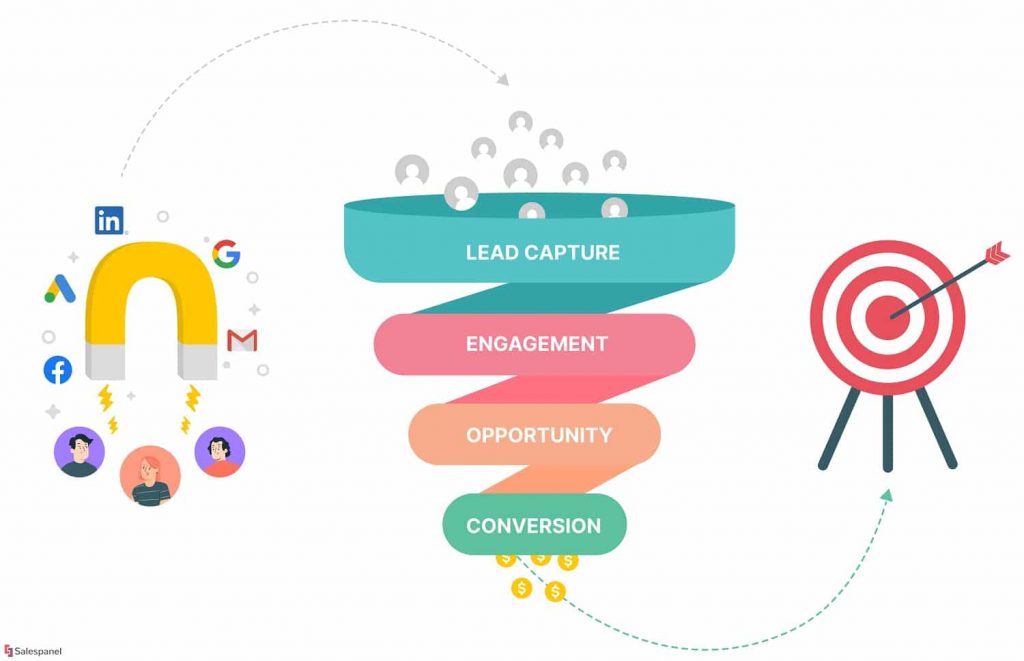



What Qualifies as a Lead?
Not every website visitor becomes a lead. To qualify as a lead, a person must take a specific action that indicates interest. For example, if someone visits your homepage, that’s traffic—but if they sign up for a free trial, they become a lead. The key is intent. According to HubSpot, a leading CRM platform, a lead is someone who has given you permission to contact them about your offerings.
- They’ve provided contact information (e.g., email, phone number).
- They’ve engaged with your content (e.g., downloaded an eBook).
- They’ve expressed interest in a product demo or consultation.
“A lead is the starting point of every successful sale. Without leads, there is no pipeline.” — Sales Hacker
Difference Between a Lead and a Prospect
While often used interchangeably, a lead and a prospect are not the same. A lead is an unqualified contact, whereas a prospect is a lead that has been vetted and deemed likely to convert. For instance, if someone downloads a pricing guide, they’re a lead. If your sales team confirms they have budget, authority, need, and timeline (BANT), they become a prospect.
The leads definition evolves as the individual moves through the sales funnel. Understanding this distinction helps businesses allocate resources more efficiently—marketing nurtures leads, while sales focus on prospects.
Why the Leads Definition Matters in Modern Marketing
Understanding the precise leads definition is crucial because it shapes your entire marketing and sales strategy. Without a clear definition, teams may waste time chasing unqualified contacts or misalign on conversion goals. A well-defined lead enables better targeting, messaging, and ROI measurement.
Aligning Sales and Marketing Teams
One of the biggest challenges in B2B companies is the disconnect between marketing and sales. Marketing might generate hundreds of leads, but if sales deems them unqualified, friction arises. Establishing a shared leads definition creates alignment. For example, companies using Marketo’s lead management system report up to 30% higher conversion rates when both teams agree on what constitutes a lead.
- Shared definitions reduce internal conflict.
- They improve lead handoff efficiency.
- They enable accurate performance tracking.
Improving Lead Quality Over Quantity
In the past, businesses focused on lead volume—more leads meant more sales. Today, quality trumps quantity. A clear leads definition helps filter out low-intent contacts. For example, a visitor who spends 30 seconds on your site isn’t as valuable as one who watches a product video and fills out a contact form.
By refining your leads definition, you can implement lead scoring models that prioritize high-potential leads. Tools like Salesforce Lead Management use behavioral and demographic data to rank leads, ensuring your sales team focuses on the most promising opportunities.
Types of Leads Based on the Leads Definition
Not all leads are created equal. The leads definition varies depending on the type of lead and where they are in the buyer’s journey. Recognizing these differences allows for more personalized and effective nurturing.
Marketing Qualified Leads (MQLs)
A Marketing Qualified Lead (MQL) is someone who has engaged with your marketing efforts but isn’t yet ready for a sales conversation. They might have downloaded a whitepaper, attended a webinar, or clicked through multiple blog posts.
- MQLs are nurtured with targeted content.
- They are scored based on engagement level.
- They transition to SQLs when they meet predefined criteria.
According to Campaign Monitor, companies that segment MQLs see a 760% increase in email revenue.
Sales Qualified Leads (SQLs)
A Sales Qualified Lead (SQL) is an MQL that has been evaluated and approved by the sales team as ready for direct outreach. This means they’ve shown buying intent, have budget, and fit your ideal customer profile.
The transition from MQL to SQL is critical. A clear leads definition ensures only high-intent leads are passed to sales, reducing wasted effort. For example, an SQL might have requested a demo, asked for pricing, or responded positively to a sales email.
“Only 25% of leads are truly sales-ready. The rest need nurturing.” — MarketingSherpa
How to Generate Leads Using the Correct Leads Definition
Once you’ve defined what a lead is for your business, the next step is generating them effectively. This requires a strategic approach that aligns with your audience’s behavior and expectations.
Content Marketing and Lead Magnets
One of the most effective ways to generate leads is through valuable content. By offering free resources—such as eBooks, checklists, or templates—in exchange for contact information, you attract high-intent visitors.
- Create content that solves a specific problem.
- Use landing pages with clear calls-to-action (CTAs).
- Integrate forms with your CRM for automatic lead capture.
For example, a SaaS company might offer a free “Website Speed Optimization Checklist” to attract web developers. Those who download it become leads based on the agreed leads definition.
Social Media and Paid Advertising
Social platforms like LinkedIn, Facebook, and Instagram allow businesses to target specific demographics and drive lead-generating actions. Paid ads can direct users to landing pages where they convert into leads.
LinkedIn Lead Gen Forms, for instance, let users submit their information without leaving the platform, increasing conversion rates. According to LinkedIn’s official data, these forms can reduce friction and boost lead volume by up to 300%.
However, it’s essential to ensure that the leads generated align with your leads definition. A high volume of low-quality leads from poorly targeted ads can hurt your conversion rates.
Measuring Lead Success: KPIs Based on Leads Definition
Generating leads is only half the battle. To ensure your efforts are effective, you must measure performance using key performance indicators (KPIs) tied to your leads definition.
Lead Conversion Rate
This metric shows the percentage of leads that become customers. If you generate 1,000 leads and close 100 deals, your conversion rate is 10%. A clear leads definition ensures you’re measuring the right starting point.
- Benchmarks vary by industry: SaaS averages 5-10%, while e-commerce can be higher.
- Improving lead quality often increases conversion rates.
- Use A/B testing to optimize conversion paths.
Cost Per Lead (CPL)
CPL measures how much you spend to acquire one lead. It’s calculated by dividing total marketing spend by the number of leads generated.
For example, if you spend $5,000 on a campaign and generate 500 leads, your CPL is $10. A well-defined leads definition helps avoid inflating CPL with unqualified leads from ineffective channels.
According to WordStream, average CPL across industries ranges from $20 to $100, with B2B typically higher than B2C.
“What gets measured gets managed.” — Peter Drucker
Common Mistakes in Applying the Leads Definition
Even experienced marketers make errors when defining and handling leads. Recognizing these pitfalls can save time, money, and missed opportunities.
Overlooking Lead Nurturing
Many businesses focus solely on lead acquisition and neglect nurturing. However, research by MarketingProfs shows that nurtured leads make 47% larger purchases than non-nurtured ones.
A clear leads definition should include a nurturing strategy. Use email sequences, retargeting ads, and personalized content to guide leads through the funnel. For example, send a series of educational emails to an MQL who downloaded a beginner’s guide.
Poor Lead Qualification Process
Without a structured qualification process, sales teams waste time on leads that will never convert. Implement a lead scoring system that assigns points based on behavior (e.g., page visits, email opens) and demographics (e.g., job title, company size).
A well-defined leads definition includes thresholds for when a lead becomes an SQL. For instance, a lead might need a score of 75+ and a direct inquiry to be passed to sales.
Future Trends in Leads Definition and Management
The way we define and manage leads is evolving rapidly due to technological advancements and changing consumer behavior. Staying ahead of these trends ensures your business remains competitive.
AI and Predictive Lead Scoring
Artificial intelligence is transforming lead management. AI-powered tools can analyze vast datasets to predict which leads are most likely to convert. Platforms like InsideSales use machine learning to prioritize leads in real time.
In the future, the leads definition may shift from static criteria to dynamic, behavior-based models. Instead of relying solely on form submissions, AI will assess intent through micro-interactions—mouse movements, time on page, and content engagement.
Privacy-First Lead Generation
With increasing data privacy regulations (e.g., GDPR, CCPA), businesses must redefine how they collect and use lead information. Consent-based marketing is becoming the norm.
The leads definition now includes explicit permission. For example, a lead must actively opt-in to communications, not just passively accept cookies. This shift demands more transparency and value exchange—offering something truly useful in return for data.
Companies that adapt will build stronger trust and long-term customer relationships.
What is the basic leads definition?
A leads definition is a description of a potential customer who has shown interest in your product or service by providing contact information or engaging with your content. It serves as the foundation for marketing and sales efforts.
What’s the difference between an MQL and an SQL?
A Marketing Qualified Lead (MQL) has engaged with marketing content but isn’t sales-ready. A Sales Qualified Lead (SQL) has been vetted by the sales team and shows clear intent to purchase.
How can I improve lead quality?
Refine your leads definition, implement lead scoring, use targeted content, and align sales and marketing teams. Focus on intent and fit rather than just volume.
What tools help manage leads effectively?
CRM platforms like Salesforce, HubSpot, and Marketo help track, score, and nurture leads. They integrate with marketing automation to streamline the process.
Is a website visitor considered a lead?
No. A website visitor becomes a lead only after taking a specific action that indicates interest, such as filling out a form or downloading a resource.
Understanding the true leads definition is not just a technical exercise—it’s a strategic imperative. From aligning teams to improving conversion rates, a precise and actionable definition empowers businesses to generate, nurture, and convert leads more effectively. As technology and consumer expectations evolve, so too must our approach to defining and managing leads. By staying informed and adaptable, you can turn leads into loyal customers and drive sustainable growth.
Further Reading: