In today’s hyper-competitive digital landscape, a leads bank isn’t just a luxury—it’s a lifeline. Whether you’re a startup or a seasoned enterprise, mastering your leads bank can be the game-changer that fuels explosive growth and sustainable revenue.
What Exactly Is a Leads Bank?

A leads bank is more than just a database of names and emails. It’s a strategic repository of potential customers—individuals or businesses—who have shown interest in your product or service. Think of it as a financial vault, but instead of storing money, it stores opportunities.
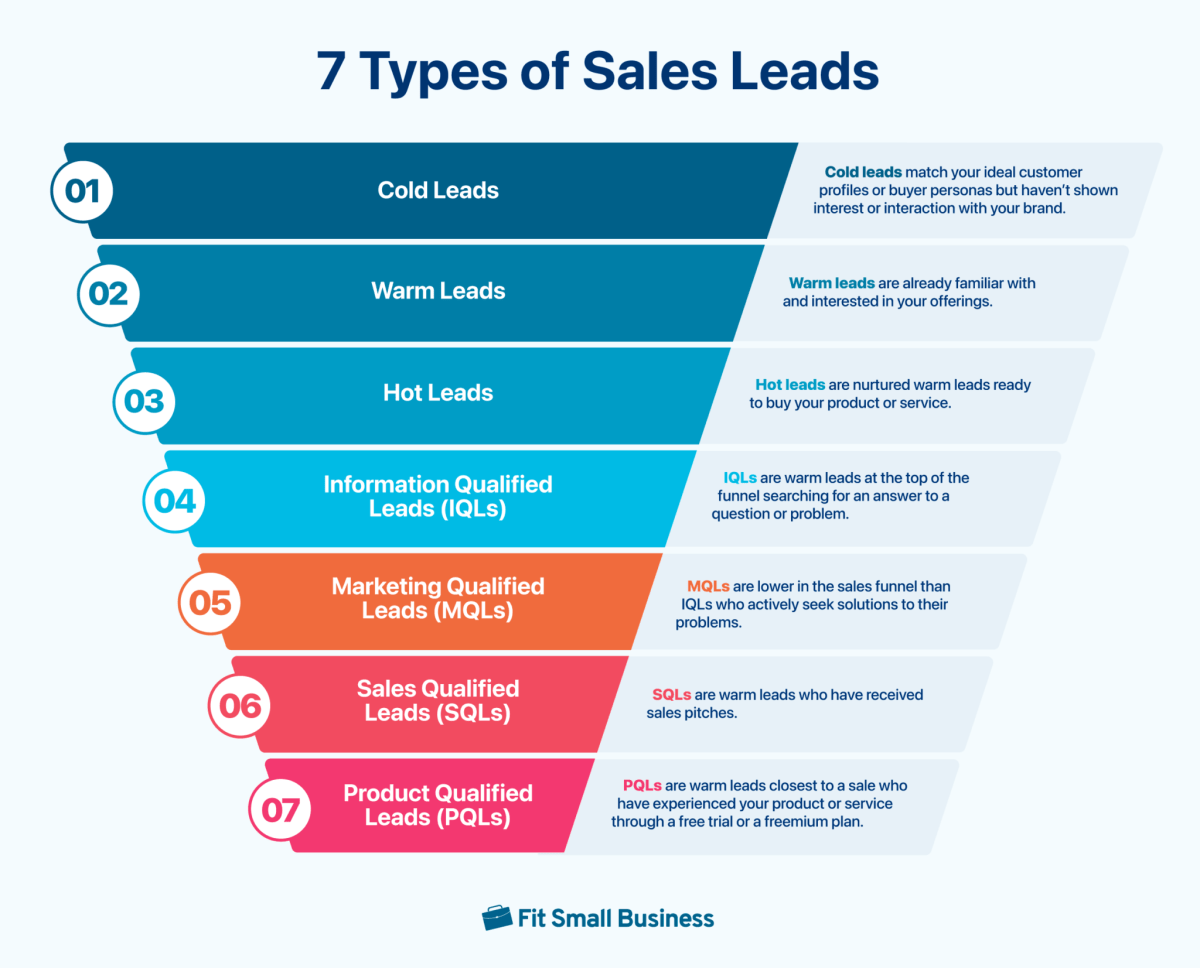

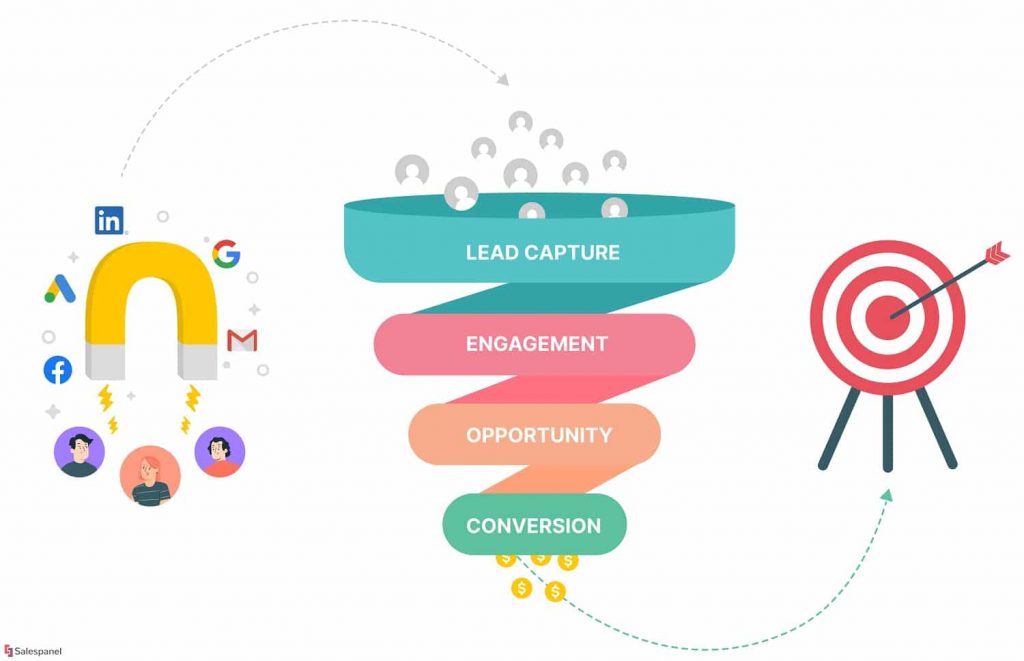



The Core Definition and Function
At its heart, a leads bank is a centralized system that collects, organizes, and manages leads throughout the customer acquisition funnel. This system can be powered by CRM software, marketing automation tools, or even spreadsheets in early-stage businesses.
- Acts as a single source of truth for all prospect data
- Enables segmentation based on behavior, demographics, and engagement
- Facilitates timely follow-ups and personalized communication
According to Investopedia, lead generation is the process of stimulating interest in a product or service for the purpose of developing a sales pipeline—making the leads bank the engine behind that pipeline.
How a Leads Bank Differs from a Regular Contact List
Not all contacts are leads. A contact list might include everyone from past clients to random event attendees. A leads bank, however, only includes individuals who have demonstrated intent—through actions like downloading a whitepaper, signing up for a free trial, or requesting a demo.
“A leads bank turns raw data into actionable intelligence—transforming passive contacts into active revenue opportunities.”
This distinction is crucial. While a contact list is static, a leads bank is dynamic, evolving with every interaction and nurturing step.
Why Your Business Needs a Leads Bank
Without a structured leads bank, businesses operate in chaos—missing follow-ups, duplicating efforts, and losing revenue to disorganization. A well-maintained leads bank brings order, insight, and scalability to your sales and marketing operations.
Improved Sales Efficiency and Conversion Rates
Sales teams waste an average of 33% of their time searching for or verifying lead information. A centralized leads bank eliminates this inefficiency by providing instant access to qualified, up-to-date prospects.
- Sales reps can prioritize high-intent leads
- Automated workflows reduce manual data entry
- Lead scoring models help identify the hottest prospects
A study by Salesforce found that high-performing sales teams are 2.2x more likely to use lead scoring and CRM integration—both core components of a robust leads bank.
Enhanced Marketing Personalization and Targeting
Modern consumers expect personalized experiences. A leads bank enables marketers to segment audiences based on behavior, preferences, and lifecycle stage.
- Send targeted email campaigns based on lead activity
- Retarget website visitors with dynamic ads
- Customize landing pages for different lead personas
For example, a SaaS company might use its leads bank to identify users who abandoned a free trial and serve them a special discount offer—boosting conversion by up to 40%, according to HubSpot.
Building a High-Performance Leads Bank: Step-by-Step
Creating a leads bank isn’t about buying a tool—it’s about designing a system. The process involves strategy, technology, and continuous optimization.
Step 1: Define Your Ideal Customer Profile (ICP)
Before collecting leads, you must know who you’re looking for. An Ideal Customer Profile outlines the characteristics of your most valuable customers.
- Industry, company size, and revenue
- Job titles and decision-making authority
- Pain points and buying motivations
Use this ICP to filter incoming leads and ensure your leads bank is filled with quality, not just quantity.
Step 2: Choose the Right Technology Stack
Your leads bank is only as strong as the tools supporting it. The right tech stack integrates lead capture, management, and nurturing.
- CRM platforms like Zoho CRM or Salesforce for lead storage
- Marketing automation tools like HubSpot or ActiveCampaign for nurturing
- Landing page builders like Unbounce or Leadpages for capture
Integration is key. Ensure your tools can sync data in real-time to avoid silos.
Step 3: Implement Lead Capture Mechanisms
Leads don’t appear out of thin air. You need multiple touchpoints to attract and capture them.
- Website forms with compelling offers (e-books, webinars, demos)
- Social media lead ads on LinkedIn and Facebook
- Event registrations and trade show sign-ups
Each of these channels feeds directly into your leads bank, enriching it with new prospects daily.
Strategies to Fill Your Leads Bank with Quality Prospects
A leads bank full of unqualified leads is worse than no leads bank at all. Focus on quality over quantity by using proven lead generation strategies.
Content Marketing: The Foundation of Organic Lead Generation
High-value content attracts high-intent leads. Create resources that solve real problems for your audience.
- Gated content like whitepapers, checklists, and templates
- Webinars that offer deep dives into industry challenges
- Free tools or calculators that provide instant value
For instance, a financial services firm might offer a retirement calculator in exchange for contact details—building a leads bank of financially conscious individuals.
Paid Advertising: Accelerating Lead Acquisition
While organic growth is sustainable, paid ads can rapidly fill your leads bank with targeted prospects.
- Google Ads targeting high-intent keywords
- LinkedIn Sponsored Content for B2B lead generation
- Facebook Lead Ads with instant forms for quick capture
According to WordStream, the average cost-per-lead on Google Ads across industries is $58.46—but conversion rates can be significantly higher with precise targeting.
Partnerships and Referral Programs
Leverage existing networks to expand your leads bank. Strategic partnerships and referral programs tap into trusted relationships.
- Co-host webinars with complementary businesses
- Offer incentives for customer referrals
- Integrate with affiliate marketing platforms
A referral lead is 4x more likely to convert than a cold lead, making this one of the most effective ways to grow a high-quality leads bank.
Managing and Nurturing Your Leads Bank
Collecting leads is only the beginning. The real magic happens in nurturing—guiding prospects from awareness to purchase.
Lead Scoring: Prioritizing the Most Promising Leads
Not all leads are ready to buy. Lead scoring assigns points based on behavior and profile data to identify who’s sales-ready.
- Positive actions: visiting pricing page (+10), downloading a case study (+5)
- Negative signals: unsubscribing (-10), inactivity for 30 days (-5)
- Demographic fit: matching ICP (+15)
When a lead hits a threshold (e.g., 50 points), they’re automatically routed to sales—a process that can increase conversion rates by 30%, per Marketo.
Email Drip Campaigns: Automated Nurturing at Scale
Email remains the most effective channel for lead nurturing. Drip campaigns deliver the right message at the right time.
- Day 1: Welcome email with a thank-you and next steps
- Day 3: Educational content related to their download
- Day 7: Case study or testimonial to build trust
- Day 14: Personalized demo offer or consultation invite
Tools like Mailchimp and Klaviyo make it easy to set up these sequences, ensuring no lead falls through the cracks in your leads bank.
CRM Integration: Keeping Your Leads Bank Alive
A leads bank disconnected from your CRM is like a car without an engine. Integration ensures seamless data flow between marketing and sales.
- Automatic lead assignment to sales reps
- Real-time updates on lead activity
- Sales feedback loops to refine lead quality
For example, if a sales rep notes that a lead is “not a fit,” that feedback can be used to adjust future lead scoring models—continuously improving your leads bank.
Advanced Tactics to Maximize Your Leads Bank ROI
Once your leads bank is operational, it’s time to optimize. Advanced tactics can dramatically increase the return on your lead generation investments.
AI-Powered Lead Enrichment and Predictive Analytics
Artificial intelligence can supercharge your leads bank by enriching data and predicting behavior.
- Tools like Clearbit and ZoomInfo enrich leads with firmographic and technographic data
- Predictive analytics identify which leads are most likely to convert
- AI chatbots qualify leads in real-time on your website
According to Gartner, organizations using predictive analytics see a 10-20% increase in sales productivity.
Lead Recycling: Re-engaging Dormant Prospects
Not every lead converts on the first try. A leads bank should include a strategy for re-engaging cold or inactive leads.
- Send a re-engagement email series with new offers
- Use retargeting ads to remind them of your brand
- Survey inactive leads to understand their hesitation
Re-engagement campaigns can reactivate up to 25% of dormant leads, turning stale data into fresh opportunities within your leads bank.
Multichannel Nurturing: Beyond Email
Today’s buyers interact across multiple channels. A modern leads bank must support omnichannel nurturing.
- SMS campaigns for time-sensitive offers
- LinkedIn InMail for B2B outreach
- Push notifications for app-based businesses
Companies using three or more channels see a 287% higher purchase rate, according to research by Campaign Monitor.
Common Mistakes That Destroy Leads Bank Effectiveness
Even the best systems fail when common pitfalls are ignored. Avoid these mistakes to keep your leads bank healthy and productive.
Mistake 1: Poor Data Hygiene and Incomplete Records
Dirty data—duplicates, outdated emails, incorrect job titles—plagues most leads banks. This leads to failed outreach and wasted resources.
- Implement data validation at point of entry
- Use tools like Hunter.io or NeverBounce to verify emails
- Schedule quarterly data audits
According to Experian, 76% of businesses admit that poor data quality impacts customer satisfaction.
Mistake 2: Lack of Alignment Between Sales and Marketing
When sales and marketing teams don’t agree on what constitutes a qualified lead, the leads bank becomes a battleground.
- Establish a Service Level Agreement (SLA) between teams
- Hold regular sync meetings to review lead quality
- Use shared KPIs like lead-to-customer conversion rate
Companies with strong sales-marketing alignment achieve 36% higher customer retention and 38% higher sales win rates (CMO.com).
Mistake 3: Ignoring Lead Source Attribution
If you don’t know where your leads come from, you can’t optimize. Attribution tells you which channels deliver the best ROI.
- Use UTM parameters for all campaigns
- Integrate Google Analytics with your CRM
- Track lead-to-customer journey across touchpoints
Without attribution, you risk underfunding high-performing channels and overinvesting in low-quality lead sources.
Measuring the Success of Your Leads Bank
You can’t improve what you don’t measure. Tracking the right metrics ensures your leads bank delivers real business value.
Key Performance Indicators (KPIs) to Monitor
These metrics provide insight into the health and performance of your leads bank.
- Lead Volume: Total number of new leads added per month
- Lead Quality: Percentage of leads that meet ICP criteria
- Conversion Rate: % of leads that become customers
- Cost Per Lead (CPL): Total spend divided by number of leads
- Lead Velocity Rate (LVR): Month-over-month growth in qualified leads
For example, a rising LVR indicates your lead generation engine is accelerating—a strong sign of future revenue growth.
Tools for Tracking and Reporting
Leverage analytics platforms to visualize and act on your data.
- Google Data Studio for custom dashboards
- HubSpot Analytics for end-to-end funnel tracking
- Salesforce Reports & Dashboards for sales performance
Automated reporting ensures stakeholders stay informed and can make data-driven decisions to optimize the leads bank.
Continuous Optimization: The Feedback Loop
Your leads bank should never be static. Use feedback from sales, marketing, and customers to refine your approach.
- Conduct win/loss interviews to understand buying decisions
- A/B test lead capture forms and CTAs
- Iterate on lead scoring models based on conversion data
Continuous improvement turns your leads bank into a self-optimizing growth engine.
What is a leads bank?
A leads bank is a centralized system that collects, organizes, and manages potential customer information to streamline lead generation, nurturing, and conversion. It serves as the foundation for scalable sales and marketing operations.
How do you build a leads bank from scratch?
Start by defining your Ideal Customer Profile (ICP), then choose a CRM and marketing automation platform. Set up lead capture mechanisms (like landing pages and forms), and implement lead scoring and nurturing workflows to keep your leads bank active and productive.
What tools are best for managing a leads bank?
Top tools include HubSpot, Salesforce, Zoho CRM, ActiveCampaign, and Marketo. These platforms integrate lead capture, scoring, nurturing, and analytics to create a comprehensive leads bank ecosystem.
How can I improve the quality of leads in my leads bank?
Focus on targeted content, precise ad campaigns, and strong ICP alignment. Use lead scoring to filter out low-quality prospects and implement data validation to ensure accuracy and completeness.
Can a small business benefit from a leads bank?
Absolutely. Even small businesses can use simple tools like Google Sheets paired with free CRM software to build an effective leads bank. The key is consistency and organization, not size.
Building and maintaining a powerful leads bank is not a one-time project—it’s an ongoing strategy that fuels sustainable growth. From defining your ideal customer to leveraging AI-driven insights, every step you take strengthens your pipeline and boosts conversion potential. By avoiding common pitfalls and measuring the right KPIs, you transform your leads bank from a simple database into a revenue-generating powerhouse. Whether you’re a startup or an enterprise, investing in your leads bank is investing in your future.
Further Reading: