Lead generation isn’t just about collecting names—it’s the lifeblood of sustainable business growth. In today’s hyper-competitive digital landscape, mastering lead generation can mean the difference between thriving and merely surviving.
What Is Lead Generation and Why It Matters

At its core, lead generation is the process of attracting and converting strangers into potential customers who have shown interest in your product or service. It’s the first critical step in the sales funnel, laying the foundation for customer acquisition and long-term revenue growth.
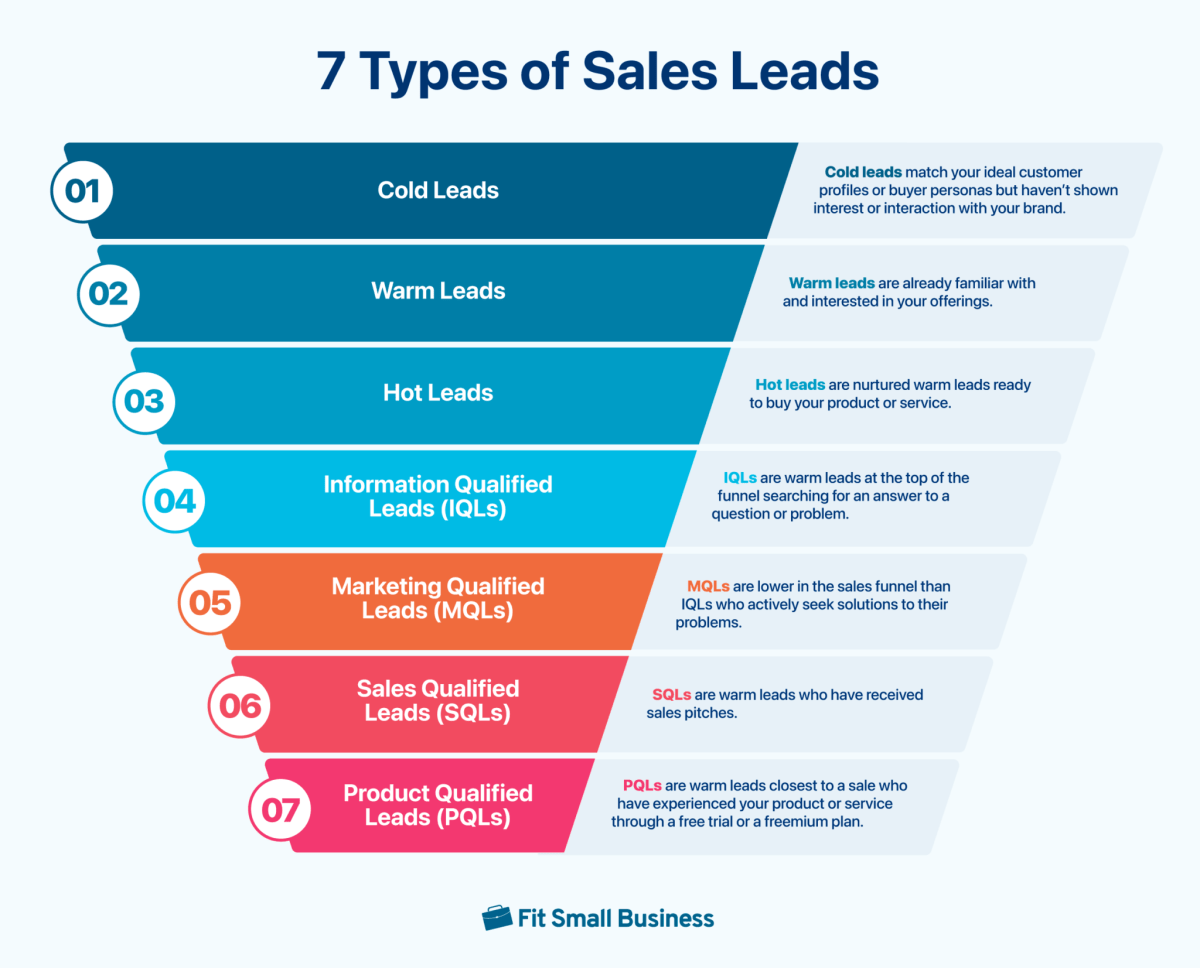





Defining a Lead in Modern Marketing
A ‘lead’ is more than just an email address. It’s a person who has engaged with your brand in a meaningful way—whether by downloading a guide, signing up for a webinar, or requesting a demo. According to HubSpot, companies that excel at lead generation grow 2.5x faster than their peers (HubSpot Sales Statistics).
- Marketing Qualified Lead (MQL): Shows interest but isn’t sales-ready.
- Sales Qualified Lead (SQL): Ready for direct sales outreach.
- Product Qualified Lead (PQL): Has used your product (e.g., free trial) and shown intent to upgrade.
“Lead generation is not about chasing numbers—it’s about building relationships that convert.” – Neil Patel
The Role of Lead Generation in the Sales Funnel
Lead generation fuels every stage of the sales funnel. From awareness to decision, effective lead gen strategies guide prospects through a journey of trust and value. Without a steady flow of leads, even the best sales teams can’t perform.
For example, a B2B SaaS company might use content marketing to attract visitors (top of funnel), capture emails via gated content (middle), and nurture them with personalized emails (bottom). Each stage relies on strategic lead generation tactics.
7 Proven Lead Generation Strategies That Work in 2024
The digital marketing landscape evolves rapidly, but certain lead generation strategies have stood the test of time—and adapted. Below are seven powerful, data-backed approaches that deliver real results.
1. Content Marketing with Gated Offers
Content is still king, but not all content generates leads. The key is creating high-value, educational content that solves real problems—then gating it behind a lead capture form.
- E-books, whitepapers, and industry reports are ideal for B2B lead generation.
- Checklists, templates, and swipe files work well for B2C audiences.
- Use tools like Leadpages or Unbounce to create high-converting landing pages.
For instance, a financial advisory firm might offer a free ‘Retirement Planning Checklist’ in exchange for contact details. This not only captures leads but positions the brand as an authority.
2. Search Engine Optimization (SEO) for Organic Lead Flow
SEO remains one of the most cost-effective lead generation channels. By optimizing your website for search engines, you attract high-intent users actively looking for solutions you offer.
- Target long-tail keywords like ‘best CRM for small businesses’ to capture qualified traffic.
- Create pillar content and topic clusters to dominate search results.
- Optimize meta descriptions, headers, and internal linking for better indexing.
A study by BrightEdge found that organic search drives 53% of all website traffic (BrightEdge Research). For lead generation, this means consistent, scalable results over time.
3. Paid Advertising with Precision Targeting
While organic growth is ideal, paid ads offer speed and scalability. Platforms like Google Ads and Facebook Ads allow you to target users based on behavior, interests, and demographics.
- Use lead form ads on Facebook to reduce friction in the conversion process.
- Leverage Google Search Ads for high-intent keywords like ‘CRM software free trial’.
- Retarget website visitors with display ads to re-engage cold leads.
According to WordStream, businesses make $2 in revenue for every $1 spent on Google Ads (WordStream Benchmark). When combined with strong landing pages, paid ads can deliver explosive lead growth.
4. Webinars and Live Events
Webinars are one of the most effective lead generation tools, especially for complex or high-ticket products. They allow you to demonstrate expertise, answer questions in real time, and build trust.
- Promote webinars via email, social media, and paid ads.
- Require registration to capture lead information.
- Follow up with a recording and a personalized offer.
GoToWebinar reports that 20-40% of webinar registrants attend live, and 60-80% watch the replay—making it a powerful nurturing tool (GoToWebinar).
5. Social Media Engagement and Lead Capture
Social media isn’t just for brand awareness—it’s a potent lead generation channel when used strategically. Platforms like LinkedIn, Instagram, and Facebook offer built-in tools to capture leads without leaving the app.
- Use LinkedIn Lead Gen Forms to collect B2B leads directly from sponsored content.
- Run Instagram contests that require email sign-ups.
- Host live Q&A sessions and direct users to a landing page.
Social selling is now a reality: 78% of salespeople using social media outsell their peers (LinkedIn Sales Statistics).
6. Email Marketing and Lead Nurturing
Lead generation doesn’t end at capture—it continues through nurturing. Email marketing allows you to build relationships over time, guiding leads toward a purchase decision.
- Use automated drip campaigns to deliver value-based content.
- Segment your list based on behavior and interests.
- Include clear CTAs in every email to drive conversions.
Mailchimp reports that segmented campaigns generate 30% more opens and 50% more clicks (Mailchimp Benchmarks). This level of engagement is crucial for converting cold leads into paying customers.
7. Referral and Affiliate Programs
People trust recommendations from friends and experts. Referral and affiliate programs turn your existing customers and partners into lead generation engines.
- Offer incentives for successful referrals (e.g., discounts, cash).
- Partner with influencers or industry bloggers to promote your offer.
- Use platforms like ReferralCandy or PartnerStack to manage programs.
Referral leads have a 30% higher conversion rate than other sources (Invesp). This makes them not only valuable but also more cost-effective.
Tools and Technologies to Supercharge Lead Generation
No lead generation strategy succeeds without the right tools. From CRM systems to automation platforms, technology enables scalability, tracking, and personalization.
Customer Relationship Management (CRM) Systems
A CRM is the backbone of any lead generation operation. It stores lead data, tracks interactions, and helps sales teams prioritize follow-ups.
- Salesforce: Ideal for large enterprises with complex sales cycles.
- HubSpot CRM: User-friendly and integrates seamlessly with marketing tools.
- Zoho CRM: Affordable option for small to mid-sized businesses.
CRMs ensure that no lead falls through the cracks and provide insights into which channels generate the highest-quality leads.
Marketing Automation Platforms
Automation saves time and increases consistency. Tools like HubSpot, Marketo, and ActiveCampaign allow you to set up workflows that nurture leads based on behavior.
- Send a welcome email when someone subscribes.
- Trigger a follow-up sequence after a webinar attendance.
- Score leads based on engagement (e.g., email opens, page visits).
Marketing automation can increase sales productivity by 14.5% (MarketingProfs), making it a must-have for serious lead generation efforts.
Landing Page and Form Builders
Your lead capture forms and landing pages are the gatekeepers of conversion. Tools like Unbounce, Instapage, and Typeform help you create high-performing, mobile-optimized pages.
- A/B test headlines, CTAs, and form lengths to improve conversion rates.
- Use exit-intent popups to capture leaving visitors.
- Integrate with your CRM and email platform for seamless data flow.
Even a 1% improvement in conversion rate can double your leads over time—making optimization critical.
Measuring the Success of Your Lead Generation Campaigns
Generating leads is only half the battle. To truly succeed, you must measure performance and optimize based on data.
Key Metrics to Track
Not all metrics are created equal. Focus on those that reflect real business impact.
- Conversion Rate: Percentage of visitors who become leads.
- Cost Per Lead (CPL): How much you spend to acquire one lead.
- Lead-to-Customer Rate: Percentage of leads that convert to paying customers.
- Return on Ad Spend (ROAS): Revenue generated per dollar spent on ads.
For example, a high conversion rate with a low lead-to-customer rate may indicate poor lead quality—prompting a review of targeting or messaging.
Using Analytics to Optimize Performance
Google Analytics, UTM parameters, and marketing dashboards provide the visibility needed to make informed decisions.
- Track user behavior on landing pages to identify drop-off points.
- Attribute leads to specific campaigns using UTM tags.
- Use heatmaps (e.g., Hotjar) to see how users interact with your pages.
Data-driven optimization ensures that your lead generation efforts become more efficient over time.
Common Lead Generation Mistakes to Avoid
Even experienced marketers fall into traps that undermine their lead generation success. Recognizing these pitfalls early can save time, money, and frustration.
Targeting the Wrong Audience
One of the most common mistakes is casting too wide a net. Generating 1,000 unqualified leads is less valuable than 100 highly targeted ones.
- Develop detailed buyer personas based on real customer data.
- Use negative keywords in paid ads to filter out irrelevant traffic.
- Align content with specific pain points, not generic topics.
As Seth Godin said, “Don’t find customers for your products, find products for your customers.”
Overlooking Lead Nurturing
Many businesses focus solely on acquisition, forgetting that most leads aren’t ready to buy immediately.
- Implement email drip campaigns to stay top-of-mind.
- Use retargeting ads to re-engage visitors.
- Provide value-first content before pitching your product.
According to Forrester, companies that nurture leads make 50% more sales-ready leads at a 33% lower cost (Forrester Research).
Poor Follow-Up and Sales Alignment
A lead is only as good as the follow-up it receives. Sales and marketing teams must be aligned on lead definitions, handoff processes, and communication.
- Establish a Service Level Agreement (SLA) between teams.
- Use lead scoring to prioritize high-intent prospects.
- Conduct regular meetings to review lead quality and feedback.
When sales and marketing are aligned, companies achieve 36% higher customer retention and 38% higher sales win rates (MarketingProfs).
Lead Generation Trends Shaping the Future
The future of lead generation is smarter, faster, and more personalized. Staying ahead of trends ensures your strategies remain effective.
Artificial Intelligence and Predictive Lead Scoring
AI is transforming how we identify and engage leads. Predictive lead scoring uses machine learning to analyze behavior and predict which leads are most likely to convert.
- Tools like Salesforce Einstein and HubSpot Predictive Lead Scoring automate prioritization.
- AI chatbots qualify leads in real time on websites.
- Personalized content recommendations increase engagement.
By 2025, 80% of marketing operations will be automated, according to Gartner (Gartner Marketing Trends).
Privacy-First Lead Generation
With increasing regulations (GDPR, CCPA) and the deprecation of third-party cookies, lead generation must adapt to a privacy-first world.
- Focus on first-party data collection through value exchanges.
- Be transparent about data usage in privacy policies.
- Use zero-party data (information willingly shared by users) to personalize experiences.
Trust is now a competitive advantage. Brands that respect privacy build stronger, longer-lasting customer relationships.
Interactive Content for Higher Engagement
Static content is no longer enough. Interactive content—quizzes, calculators, assessments—drives deeper engagement and captures richer data.
- A mortgage lender might offer a ‘How Much House Can I Afford?’ calculator.
- A fitness brand could run a ‘Find Your Ideal Workout’ quiz.
- Interactive content generates 2x more conversions than passive content (Content Marketing Institute).
These tools not only generate leads but also provide insights into user preferences and needs.
Building a Sustainable Lead Generation Engine
Lead generation shouldn’t be a series of one-off campaigns. The goal is to build a repeatable, scalable system that consistently delivers results.
Create a Lead Generation Playbook
Document your strategies, processes, and best practices in a centralized playbook.
- Define your ideal customer profile and buyer journey.
- Map content and campaigns to each funnel stage.
- Include templates for emails, landing pages, and ads.
This ensures consistency, especially as your team grows.
Test, Measure, and Iterate
The most successful lead generation programs are built on continuous improvement.
- A/B test subject lines, CTAs, and landing page designs.
- Run quarterly audits of your lead sources.
- Reallocate budget to high-performing channels.
Small, incremental changes compound into massive gains over time.
Align Marketing and Sales Goals
When marketing and sales work in silos, lead generation suffers. Shared goals, KPIs, and communication are essential.
- Hold joint planning sessions to align on targets.
- Use shared dashboards to track performance.
- Encourage feedback loops between teams.
This alignment creates a unified customer experience and maximizes conversion potential.
What is the most effective lead generation strategy?
There’s no one-size-fits-all answer, but content marketing combined with SEO and email nurturing consistently delivers high ROI. The best strategy depends on your audience, industry, and resources.
How do I generate high-quality leads?
Focus on targeting the right audience, offering valuable content, and nurturing leads with personalized communication. Use lead scoring to prioritize the most engaged prospects.
What tools are essential for lead generation?
Essential tools include a CRM (e.g., HubSpot), marketing automation platform, landing page builder, and analytics tools. These enable tracking, nurturing, and conversion optimization.
How much should I spend on lead generation?
Marketing spend varies by industry, but a common benchmark is 5-10% of revenue. Focus on cost per lead (CPL) and return on investment (ROI) to ensure efficiency.
Can small businesses compete in lead generation?
Absolutely. Small businesses can leverage niche targeting, local SEO, and community engagement to generate high-quality leads without a massive budget.
Lead generation is not a one-time campaign but a continuous process of attracting, engaging, and converting prospects. By combining proven strategies like content marketing, SEO, and email nurturing with modern tools and data-driven optimization, businesses can build a sustainable pipeline of high-quality leads. The future belongs to those who embrace personalization, privacy, and automation—creating meaningful connections that drive long-term growth.
Further Reading: